Margriet Hermans, the revered television and music personality, chose to die by assisted suicide. She was 72.
Hermans, known for the talk show Margriet and her later political career, was diagnosed with neuroendocrine carcinoma in late April. The star opted to go through Belgium’s assisted dying process, also known as euthanasia.
Videos by PopCulture.com
Per the World Federation of Right to Die Societies, Belgium’s euthanasia process “is available to adults and ’emancipated minors’ with a serious and incurable condition causing unbearable suffering.”
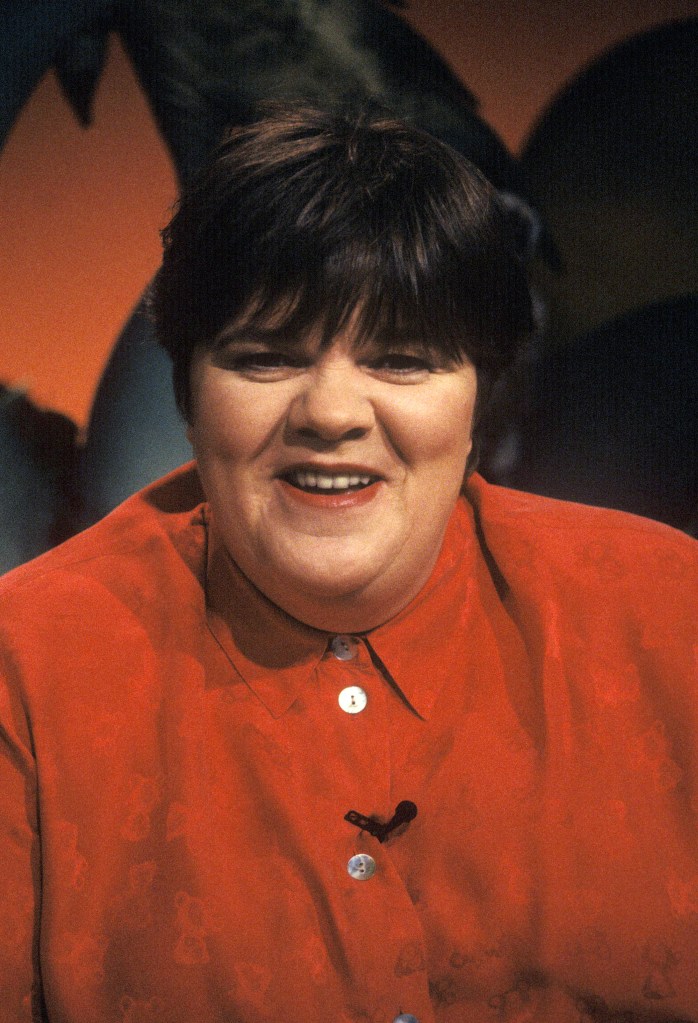
Hermans’ daughter, the singer Celien Hermans, broke the news of her mother’s death via Instagram while also going on to explain the legend’s final days.
“With profound sadness, yet also with indescribable gratitude, Dad (Frank) and I bid farewell to my dearest Mom, Margriet Hermans,” Celien wrote. “To Flanders, she was a singer, a television personality, a politician—a woman with a distinctive voice and a big heart. To me, she was, above all, my home. My safe haven. My greatest critic and supporter. My best friend and most honest sounding board. My business partner and colleague. My everything.”
“We were alike in every way. Two stubborn women with big hearts, a love for music, humor as a survival mechanism, and an indomitable drive to live life to the fullest. Who I am today, I am thanks to her. Not just in talent or character, but in zest for life. In gentleness. In strength.”
Celien then went on to explain the final days of the beloved cultural figure. Once she began to feel the neuroendocrine carcinoma symptoms, Hermans became “extremely weak” with “excruciating pain,” which led to the decision to end her life.
“Mom lived life with an intensity rarely seen. She enjoyed things openly and exuberantly. She felt deeply. She brought happiness to others. She gave everything she had—to her audience, to her friends, but above all, to the people she loved, Celien recalled. “But sadly, the cancer manifested with an intensity rarely seen. We received the cancer diagnosis in late April. By mid-May, it was identified as a neuroendocrine carcinoma with limited treatment options. A few days later, I took her to the hospital, where chemotherapy was started sooner than planned.
“Unfortunately, Mom was already extremely weak by then. Her energy waned rapidly, and the smile that usually graced her face faded very quickly. Faced with excruciating pain, terrible discomfort, and a very limited prospect of a life with any quality, Mom made the difficult and courageous decision to take control of her life—or rather, the end of it.”
The family then “lived very consciously together” in the matriarch’s final days.
“We cried, laughed, reminisced, and held each other’s hands—holding on until the moment we had to let go,” Herman’s daughter recalled. “And even as she said her goodbyes, she remained a mother: concerned for everyone around her, grateful, loving, and strong.”
You can read the rest of Celien’s tribute to her mother below:
I am endlessly proud to have been her daughter. On behalf of our entire family, I would like to thank everyone for the immense love, warmth, and support we have received during this time. The messages, flowers, words, and memories have touched us deeply.
“No mountain is high enough, no sea is deep enough. Nothing holds me back. I can fly without wings, soaring over everything.”
Go ahead and fly now, Mama. Thank you for everything.
“I am by your side, watching over you too.”
Celien
More Celebrity
-

Photo by Jason LaVeris/FilmMagic; -

Photo by Matt Winkelmeyer/Getty Images for Critics Choice Association -

Photo Credit: Emma McIntyre/WireImage/Getty Images -

"Finale" Four celebrity and pro-dancer couples dance and compete in the live season finale where one couple will win the coveted Mirrorball Trophy, MONDAY, NOV. 23 (8:00-10:00 p.m. EST), on ABC. (Eric McCandless/ABC via Getty Images) -

Photo by Emma McIntyre/Oscars/Getty Images for Academy Museum Foundation