Sam Neill’s representative is releasing the Jurassic Park actor’s cause of death to end “inaccuracies and outright falsehoods” in reporting.
Neill, 78, died of pneumonia, his agent, Philip Grenz, told The Associated Press on Thursday. Grenz did not specify any problematic press reports.
Videos by PopCulture.com
Neill’s death was confirmed Monday by his family. They said on Instagram that his passing was “sudden and unexpected” and came after his cancer had been successfully treated.
“As Sam was an intensely private man who loathed a fuss, his family will honor him with a private family memorial at his farm in New Zealand at a still-undetermined later date,” Grenz said. “I’d like to thank those who were truly close to Sam for considering his privacy with the respect he earned and his loved ones need and deserve during this immeasurably difficult time.”
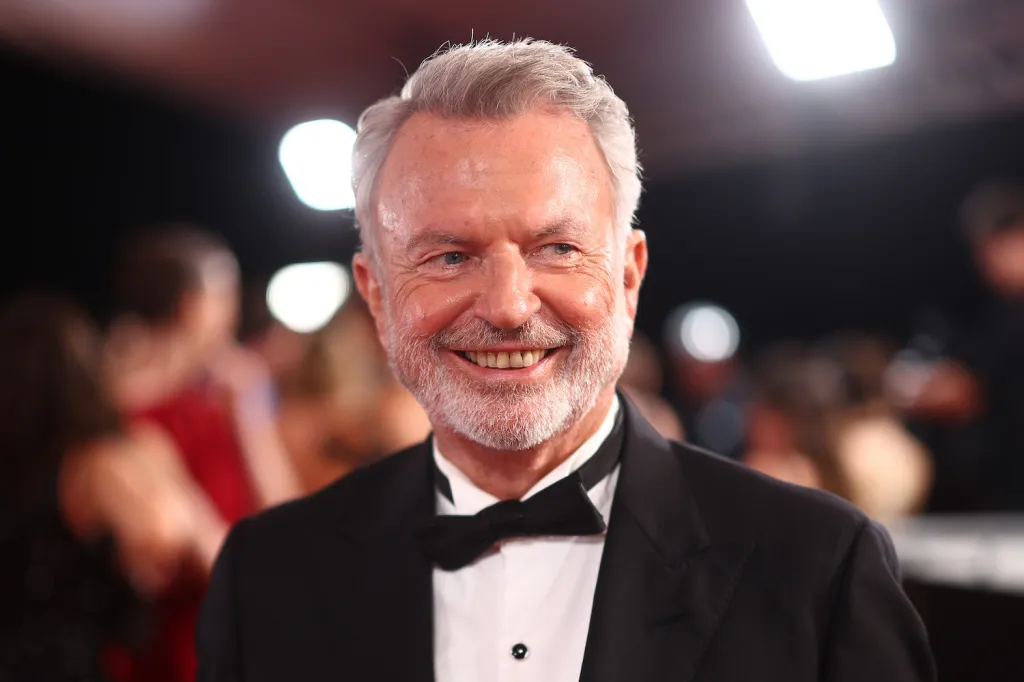
He added that Neill “filmed four projects back-to-back during the past year, all of which will be released within the coming months.” Those projects include Godzilla x Kong: Supernova and The Last Resort, a romantic comedy co-starring Daisy Ridley.
“For those who wish to honor Sam’s memory, in lieu of flowers his whañau (a Māori word for ‘family’), ask that donations be made to one of the causes he cared about most deeply,” Grenz’s statement continued. He listed the Dunstan Hospital Foundation, the Snowdome Foundation or any “New Zealand charity of fund that supports the sustainability, protection and preservation of New Zealand’s wildlife, native bush and land, such as the NZ Nature Fund and Sustainable Tarras.”
Neill was a legendary actor known best for his role as Dr. Alan Grant in the Jurassic Park franchise, but he was also famous for classic horror films Possession and In the Mouth of Madness. He also lended his talents to The Hunt for Red October, The Piano and many other films. On the television side, he appeared in Peaky Blinders, The Tudors, Apples Never Fall and the 2015 adaptation of Agatha Christie’s And Then There Were None, among others.
He reflected in April about overcoming angioimmunoblastic T-cell lymphoma, a rare, aggressive subtype of T-cell lymphoma that affects the body’s immune system. “I was at a loss and it looked like I was on the way out,” he told 7News at the time. However, a clinical trial of CAR T-cell therapy led to an incredible turnaround. “I’ve just had a scan just now and there is no cancer in my body, that’s an extraordinary thing,” he said.
He said he was hoping that the clinical trial therapy would be formally approved and available to patients soon. “I’m very, very excited that this can happen,” Neill said. “It’s science at its best.”
More Celebrity
-
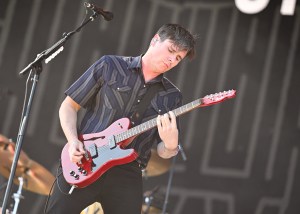
Jim Adkins of Jimmy Eat World performs onstage at the 2025 Coachella Valley Music And Arts Festival on April 19, 2025, in Indio, California. (Photo by Gilbert Flores/Variety via Getty Images) -
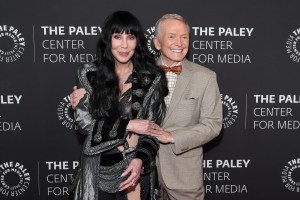
Cher and Bob Mackie at the world premiere of 'Bob Mackie: Naked Illusion' hosted by The Paley Center for Media and held at the Directors Guild of America on May 13, 2024, in Los Angeles. (Photo by John Salangsang/Variety via Getty Images) -
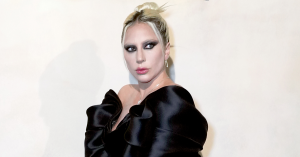
Lady Gaga (Credit: Kevin Mazur/Getty Images for Dom Pérignon) -

Malibu, CA, – September 09, 2026: A sinkhole is seen from a drone on a street and driveway of a seaside home affected by recent heavy surf on Sea Level Drive on Wednesday, Sept. 9, 2026 in Malibu, CA. An evacuation order was in effect today along Sea Level Drive in Malibu, where pounding surf and coastal erosion opened a massive sinkhole at actor Nicolas Cage's beachfront home, prompting the city to declare a local emergency.(Eric Thayer / Los Angeles Times via Getty Images)